
Korttipelejä autismista ja autismin kirjolla oleville: mitä ne ovat ja milloin niitä kannattaa käyttää

7 lokakuun 2020
Jonneke Koekhovenin vierasblogi: kolme korttipeliä autistisille lapsille. Aiheina ovat resilienssi, tunteet ja minäkuva, ja lisäksi kerrotaan, milloin pelejä kannattaa käyttää.

My name is Jonneke Koekhoven, and I have worked with children and young people with autism for 14 years. Through my company KOEKIE, at symptomen-autisme.nl, I offer one-to-one support and give online advice and courses to parents. I always find new products that can support children with autism very interesting, and I like to try them out in my sessions. In this blog I will give my opinion and tips on three card games you can use with children with autism.

Learning through play, how does that work?

Card games with an educational goal are very popular. That is not surprising. When children play, they are more open to learning. Games can help a child relax. They help you connect with the child, and they make the time together enjoyable.

Therapy or training can sometimes feel tense for children with autism. A game can lower that tension. On top of that, the visual nature of games works well for the brains of children, with or without autism. They store information better. They can apply what they have learned more quickly in new situations. And their concentration stays higher while they learn.

Games that help children learn about themselves can be used in support sessions, therapy, coaching and the classroom. Parents and carers can use them at home too.

Game one: Okidootjes Resilience

What does it look like?

Okidootjes Resilience comes in a small card box. On the front, a kitten looks in the mirror and sees a lion. That sums up nicely what these cards are about: self-confidence, positive thinking and getting things done.

There are 51 coaching cards. Each one has a strong thought, with a specific trait of resilience underneath and a fun picture of an animal. The pictures fit the thought well. They make it clearer, and they give the cards a cheerful look. The box also has a few cards with explanations, tips and ideas on how to use the game.

All the cards have something to do with the child’s resilience. Resilience is the ability to respond flexibly at certain moments and to talk to yourself in a positive way. A strong inner voice gives you more resilience to keep your head above water in difficult situations.

How and when do you use this game with a child with autism?

There are many ways to use this game. Do you recognise the following in your child or pupil? Then these cards can be a good way to help.

  • Is the child unsure or tense about a situation that is coming up?
  • Does the child often have negative thoughts?
  • Does the child have a fixed mindset, and feel they have no influence on their own results?
  • Is the child struggling with a big change in their life, such as a new school, a death in the family, a house move or a new class?
  • Does the child find social situations hard, and withdraw at those moments?
  • Does the child often find it hard to make choices, and stay unsure whether the choice was right?
  • Does the child often think in problems rather than solutions?

One of the cards in the box explains these five ways to play.

  • Okidootje of the day or week: strengthen your resilience with the Okidootjes in everyday situations.
  • Tip-Top game: discover and learn through play how to look at yourself and others with a positive focus.
  • My top three: learn through play and discover how to look at yourself with a positive focus.
  • Six in a row, six tips for yourself: discover which traits of resilience you already have, and which ones you still need.
  • Top! Compliment game: discover and learn through play how to give a meaningful compliment.

You can also use them in these ways.

  • As a compliment after a session. As the coach, give the pupil a card to take home, to show what you are proud of.
  • As a goal for a child. Choose a card together with the pupil. The pupil then uses it as a goal for the coming period.
  • As a tool in psychoeducation. Use the cards to show what the child is already good at, and which challenges the child still has.

When I got this game, it came with a code to download the online version as well. That is a nice extra. It is an overview sheet with all the Okidootjes on one page. You could let the child cut out the Okidootjes and stick them in their psychoeducation or therapy book. That way the child can always look back at them. After a while, you can also reflect together on whether anything has changed.

Game two: What do you feel? What do you think?

What does it look like?

The box for What do you feel? What do you think? is square, eight by eight centimetres. It holds 55 emotion cards in three colours. Both the front and the back have a picture and text. The pictures are green and red smileys, each showing an emotion.

The cards look calm. There is no unnecessary information and there are no extra pictures. That makes it a pleasant game for children with autism who are sensitive to stimuli and distraction. The box also has a guide with several tips.

  • Dark green cards: complicated feelings.
  • Light green cards: pleasant feelings.
  • Red cards: unpleasant feelings.
  • Front: the feeling in words, with a facial expression.
  • Back: the feeling in words, with a facial expression and a thought.

How and when do you use this game with a child with autism?

Children with autism can find it hard to recognise and understand emotions. Both their own emotions and other people’s are often complicated. They take a lot of practice, repetition and experience.

Besides the four basic emotions that come up in so many trainings, videos, books and games, there are of course dozens of others. Children with autism can get very confused when they don’t understand emotions. In most cases that is because they don’t link the context to an emotion, or only partly. A thought is part of the context of a situation, and it affects emotions too.

A tip for using these cards, and for practising emotions in general. Never train a child on emotions and their facial expressions alone. That way a child doesn’t learn to link the emotion to a situation. Turn it around. Describe a situation and ask the child to link an emotion to it. ”How do you think this child is feeling now?” ”How would you feel if…?”

Do you recognise the following in a child? Then these cards can be a good addition to your support.

  • The child finds it hard to regulate emotions and has angry outbursts.
  • The child finds it hard to link emotions to a situation, and is easily thrown by other people’s emotions.
  • The child is highly sensitive, feels many different emotions and picks up on other people’s emotions.
  • The child behaves a lot younger than their age. These children often benefit from extra attention to different emotions. People often overestimate them here, and that leads them into difficult, confusing situations.

Game three: That’s how I see myself! Autism

What does it look like?

The cards for That’s how I see myself! Autism come in a sturdy, double orange box with a picture on the front. Inside are 50 double-sided statement cards, six situation cards, eight scale question cards and five information cards.

The cards have different coloured backgrounds. Each one shows a small picture of a face and a speech bubble with the statement in it. The box also has an explanation with several ways to play. The cards go with the books Me and Autism and Autism in Me, but they also work very well without the books.

How and when do you use this game with a child with autism?

These cards are made especially for children with autism, but the word autism itself doesn’t appear on them. So you can use them both with children who already know a lot about autism and with children at the start of psychoeducation.

The cards can have a positive effect on children who find it hard to talk about themselves. Because the cards give them examples, they can more easily say how they feel, what they think about certain things and why they react in a certain way.

There are several ways to play, whether you are a parent, teacher, therapist or support worker.

  • Make a mind map about the child together. Write the child’s name on a sheet of paper and choose a number of cards together that suit the child. Talk about the statement on each card.
  • Talk together about a situation that happened that day. Then look for a few statements that fit that situation. How did the child react, and which character trait can you link that to? Does the reaction have to do with the child’s autism or not?
  • Let the child choose a statement they think fits you, as their parent or support worker. Let the child explain why they chose that card. Then swap roles and tell the child why you think a certain statement fits them.
  • With the scale question cards, you can let children show where they are on the scale. How far does a certain statement apply to the child? This is a harder way to play. It is meant more for older children, and for children who have talked about themselves more often and know themselves well.

A nice extra: you can write on these cards with a whiteboard marker, to make notes or tick things off. That makes it more personal and interactive. Afterwards you can wipe the cards clean again. The box also has blank cards that you can use for exactly this.

KOEKIE’s view on the games

I am a big fan of using games and cards like these in my sessions. What I like most is that you have a guide, but you can still use the cards very flexibly. For each child you can look at which way to play suits them, and at which level.

I also find games and relaxation essential in support sessions. Only when a child can relax will they open up to talking, learning and reflecting. Games like these are perfect for combining those two goals.

During the games I often take photos of the cards the children choose. After a while I show them again. That way we can see how the child has grown and developed, and that helps their self-reflection and self-confidence.

I recommend every parent, teacher, therapist and support worker to look for a suitable game when a situation with a child is challenging or difficult. Besides the three games I have discussed here, there are of course many more card games, such as:

  • Feel Good Game
  • Compliment Game
  • Helping Thoughts
  • Junior Coach Cards
  • Kwaliteitenspel Plus
  • Praatplaatjes
  • Adolescent Coach Cards
  • Mirror Yourself Game

The Feel Good Game, the Compliment Game, Helping Thoughts, the Junior Coach Cards, the Adolescent Coach Cards and the Mirror Yourself Game are also available in the Autishop Games category. Enjoy learning with all these interesting card games for children!

This guest article by Jonneke Koekhoven (KOEKIE) was first published in Dutch on autishop.nl on 7 October 2020.
Lue myös

Tangle Classics Sleutelhanger
Taas hukassa: näin fidget-lelu ei katoa kodin ja koulun välillä
Katoavatko fidget-lelut jatkuvasti kodin ja koulun välillä? Käytännön keinoja pitää Tangle ulottuvilla: avainrengas, varalelu ja vakiopaikka.
Magic Puzzle Connectable 4-Pack
Kaksikymmentä hiljaista minuuttia koulun jälkeen: pulmapeli ennen kysymyksiä
Näpräilypulmapelit autistisille lapsille koulun jälkeen: miksi kysymykset voivat odottaa, miten hiljainen pulmapeli auttaa rauhoittumaan ja mitkä kannattaa valita.
1459116701.jpg
Litistynyt, haalistunut, yhä rakas: purukorujen puhdistus ja vaihtaminen
Näin tarkistat, puhdistat ja vaihdat purukorut: kulumisen merkit, joihin kannattaa kiinnittää huomiota, yksinkertainen pesurutiini ja miten vaihdat rakkaan purukkeen ilman kyyneliä.
Autishop naadloze sokken voor heren 41-46
Alin porras: saumattomat sukat koosta 24 kokoon 46
Saumattomat sukat autistisille lapsille ja aikuisille koosta 24 kokoon 46: miten valita jalan kasvaessa, mikä materiaali sopii kenellekin ja miten sukat pestään.
2014900599.jpg
Penkki kentän laidalla: fidget-lelu, joka sulautuu joukkoon harrastuksissa ja treeneissä
Fidget-lelut autistisille lapsille ja aikuisille partioon, uimaseuraan ja jalkapallotreeneihin: Tanglet sulautuvat joukkoon, kulkevat helposti mukana eivätkä kaipaa selityksiä.
Basisset picto's EasyAuti
Kampaamon tuoli: hiustenleikkuusta selviää, kun kädet saavat puuhaa
Hiustenleikkuu ja autismi: miksi kampaamon tuoli on vaikea paikka, miten valmistautua ja miten Tangle puuhakkaissa käsissä voi auttaa selviämään hiustenleikkuusta.
2014900599.jpg
Päivä mummolassa: pieni aistilaukku niihin hetkiin, kun et ole paikalla
Pieni aistilaukku mummolapäivää varten: mitä pakata autistiselle lapselle, miten kertoa siitä isovanhemmille ja miten tehdä päivästä rauhallisempi.
NordicHug Weighted Hoodie
Lasku numero seitsemän: läksyihin keskittyminen keittiön pöydän ääressä
Läksyihin keskittyminen autistisille lapsille: rauhallisempi keittiön pöytä, visuaalinen ajastin, hiljaiset näpertelylelut ja lyhyet tauot, jotta viimeinenkin lasku tulee tehtyä.
Checkpad tanden poetsen
Kun kysyt neljättä kertaa: pieniä askelia kohti itsenäisyyttä
Pieniä askelia kohti itsenäisyyttä autistisille lapsille ja aikuisille: kuvalliset suunnitelmat, näkyvät rutiinit ja vastuun siirtäminen vähän kerrallaan.
sokken in de kleuren roze, wit, zwart, blauw en grijs
Vyötärönauha, joka kutittaa: saumattomat alusvaatteet herkälle iholle
Saumattomat alusvaatteet ja sukat autistisille lapsille ja aikuisille, joilla on herkkä iho: miksi saumat ja laput häiritsevät, mihin kiinnittää huomiota ja miten aloittaa.
Weekpeek
Takki lattialla: tunteista puhuminen, kun sanat eivät tule
Tunteista puhuminen autistisen lapsen kanssa rankan päivän jälkeen: miksi sanat eivät tule ja miten kädet, kuvat ja hiljainen hetki voivat auttaa.
ARK's ring kauwsieraad
Kynä ilman päätä: Brick Stick vai Krypto Bite ensimmäiseksi purukoruksi
Brick Stick vai Krypto Bite? Näin valitset ensimmäisen purukaulakorun autistiselle lapselle tai aikuiselle, löydät oikean kovuuden ja saat korun käyttöön.
Autishop naadloze sokken voor heren 41-46
Aamuinen sukkataistelu: saumattomat sukat autistisille lapsille
Saumattomat sukat autistisille lapsille ja aikuisille: miksi saumat voivat pilata aamun, miten valita puuvillasukkien ja kantapäättömien sukkien välillä ja miten saada ne jalkaan.
Magic Puzzle Connectable 4-Pack
Piippaava robotti: aistilahjaideoita, jotka oikeasti pääsevät käyttöön
Aistilahjaideoita autistisille lapsille ja aikuisille: hiljaisia näprättäviä ja pulmapelejä syntymäpäiville ja juhlapyhiin sekä vinkit lahjan antamiseen niin, että se pääsee käyttöön.
2016380295.jpg
Valot pois, kädet yhä touhuissa: hiljaisia näpräilyleluja nukkumaanmenoon
Hiljaisia iltanäpräilyleluja autistisille lapsille ja aikuisille: pehmeitä, hehkuvia ja rauhallisia Tangleja ja palapelejä sekä vinkit niiden tekemiseen osaksi illan rauhoittumista.
Arks Tetra Bite
Kynä suussa, naru kädessä: pureskelu ja hypistely
Pureskelu ja hypistely samaan aikaan: miksi autistiset lapset ja aikuiset tarvitsevat usein molempia ja miten purulelut ja Tanglet voivat jakaa tehtävän.
Tangle Classics Sleutelhanger
Odotushuone, jono, bussipysäkki: näprälelu joka taskuun
Taskukokoiset näprälelut autistisille lapsille ja aikuisille: miksi odottaminen on niin vaikeaa, mikä näprälelu sopii mihinkin hetkeen ja miten pidät yhden aina ulottuvillasi.
2014900599.jpg
Yksisarvinen penaalissa: näin valitset ikään sopivan näpräilylelun
Näpräilylelut autistisille lapsille, nuorille ja aikuisille: näin valitset Tanglen, joka sopii ikään, käsiin ja tilanteeseen, kolmevuotiaasta toimistolle asti.
Time Timer TWIST verpakking
Tikittävä kello: apuvälineet, jotka auttavat autistisia lapsia luokassa
Apuvälineitä autistisille lapsille luokkaan: visuaaliset ajastimet, istuintyynyt, kuulosuojaimet ja kuvakortit, jotka auttavat pulpetin ääressä. Käytännön vinkkejä.
Sensory Feet
Tuoli kahdella jalalla: aistihakuisuus ja lapset, jotka tarvitsevat enemmän
Aistihakuisuus autistisilla lapsilla ja aikuisilla: miltä se näyttää, mikä aisti pyytää ja yksinkertaisia tapoja antaa enemmän aistiärsykkeitä kotona ja koulussa.
Autisme in Kaart
Kaatunut pelilauta: pelit, jotka opettavat ilman saarnaamista
Oppimispelejä autistisille lapsille ja aikuisille: yhteistyölautapelejä ja korttipelejä, jotka opettavat tunteista ja yhteistyöstä ilman saarnaamista.
2016380295.jpg
Kaksikymmentä minuuttia odotushuoneessa: pulmapelejä levottomille käsille
Pulmapelejä autistisille lapsille ja aikuisille: taiteltavia pulmapelejä, sateenkaaripalloja ja 3D-kääntelypulmapelejä, jotka pitävät levottomat kädet puuhissa, sekä vinkit valintaan.
Autishop naadloze sokken voor heren 41-46
Väärä sukka: saumattomat sukat ja vaatteet herkälle iholle
Saumattomat sukat autistisille lapsille ja aikuisille, joilla on herkkä iho: miksi saumoilla ja merkkilapuilla on väliä, miten valita oikea pari ja miten saada aamuista rauhallisempia.
2014900599.jpg
Viisi pöydällä: mikä Tangle on mikä ja kenelle se sopii
Tangle-näpertelylelujen opas: Gems, Marble, Pets, Therapy Relax vai Glow in the dark. Mikä tuntuma sopii millaisille käsille ja mihin päivän hetkeen.
1459116701.jpg
Märkä hiha: purukorut lapsille, jotka pureskelevat kaikkea
Purukorut autistisille lapsille ja aikuisille: miksi jotkut pureskelevat kaikkea, miten valita oikea kovuus ja miten saada koru käyttöön.
Green ear defenders on a kitchen table next to a school backpack
Käsienkuivainongelma: milloin kuulosuojaimet auttavat ja milloin eivät
Kuulosuojaimet autistisille lapsille ja aikuisille: mitä ne tekevät, minkä tason valita ja miten ne saa käyttöön. Käytännön neuvoja Autishopilta.
2016559935.jpg
Keikkuva tuoli: tasapainotyynyt lapsille, jotka eivät pysy paikallaan
Tasapainotyynyt autistisille lapsille ja aikuisille: miksi paikallaan istuminen on raskasta työtä, minkä tyynyn valita ja miten saada se toimimaan luokassa.
Het Grote Kijkboek voorkant
Neljä tuntia ja kaksitoista minuuttia: matkalla autistisen lapsen kanssa
Matkustaminen autistisen lapsen kanssa: miten valmistautua automatkaan, lentokentälle ja loma-asuntoon – Autishopin käytännön vinkit.
Checkpad tanden poetsen
Onko tänään uintia? Kuvalliset päiväjärjestykset ja päivän suunnittelu
Kuvalliset päiväjärjestykset autistisille lapsille ja aikuisille: miksi päivän näkeminen auttaa, miten sellaisen voi tehdä kuvakkeilla ja miten sen käyttöä voi jatkaa.
NordicHug Weighted Hoodie
Sohvatyynyjen alla: syväpaine ja miksi paino voi rauhoittaa
Syväpaine autistisille lapsille ja aikuisille: miksi tiivis paine ja paino voivat rauhoittaa, miten valita huppari tai liivi ja miten aloittaa.
Mukavuutta ja aistitukea yhdessä vaatteessa
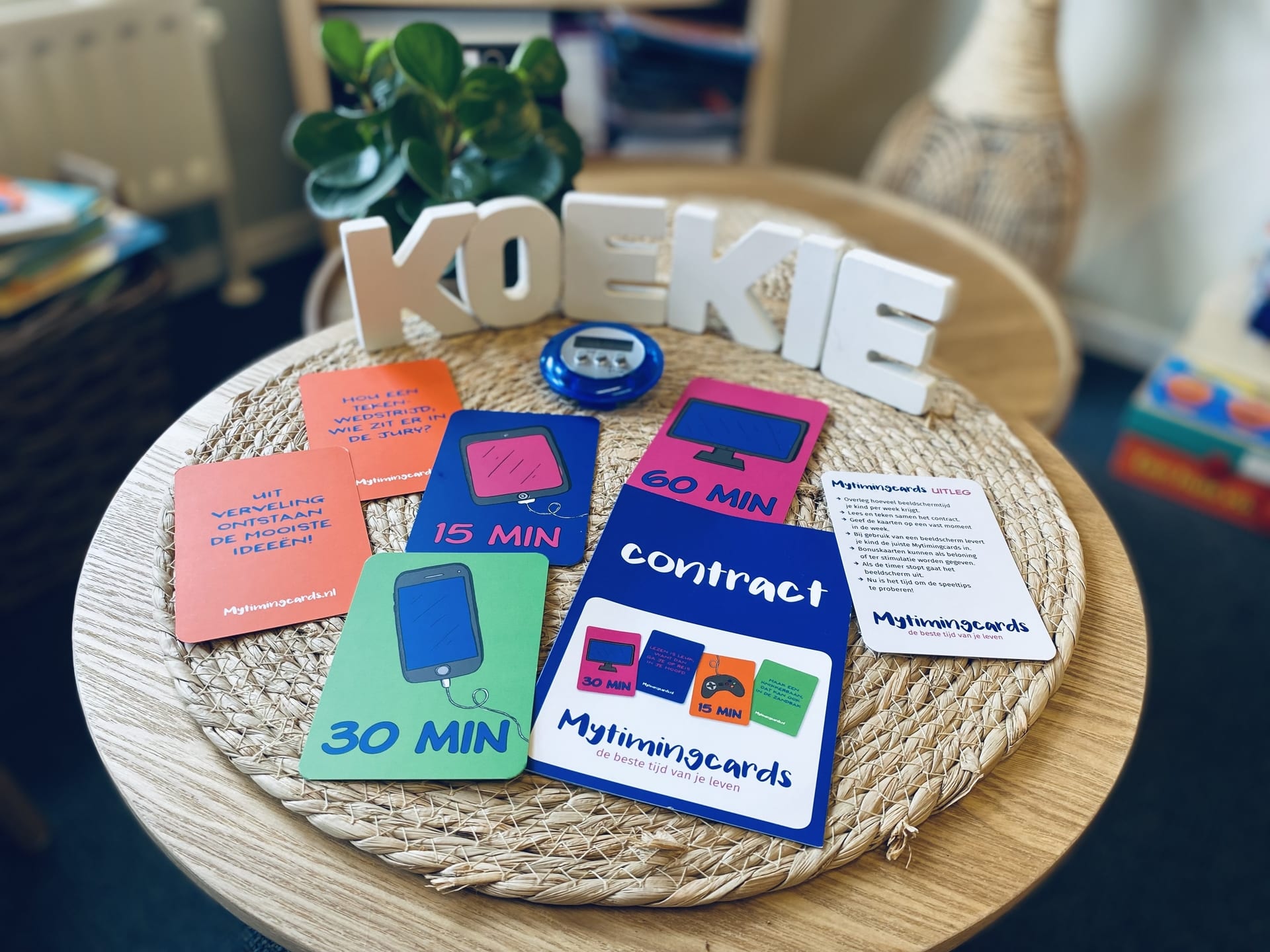
koekie mytimingcards
Mytimingcards – ehkäise kiistat ruutuajasta!
Nimeni on Jonneke Koekhoven, ja olen työskennellyt autististen lasten ja nuorten kanssa 17 vuotta. Yritykseni KOEKIE (www.symptomen-autisme.nl) kautta tarjoan yksilöllistä ohjausta sekä verkkoneuvontaa ja -kursseja vanhemmille ja ammattilaisille. Uudet tuotteet, jotka voivat tukea autistisia lapsia, kiinnostavat minua aina kovasti, ja kokeilen niitä mielelläni ohjauksessani. Tässä blogissa kerron mielipiteeni ja vinkkini ’Mytimingcards’-korteista!
Wat ga jij doen vandaag?
Mitä teet tänään? Kirja ja korttipeli pienille lapsille
Jonneke Koekhovenin vierasarvio kirjasta Mitä teet tänään? Lorukirja, jossa on päivärutiinikortit ja muistipeli 2–6-vuotiaille lapsille.
Compliment game
Compliment Game Autism: iloinen ja positiivinen peli, joka auttaa lapsia kasvamaan
Jonneke Koekhovenin (KOEKIE) vierasblogi Compliment Game Autism -pelistä: mitä rasiassa on, miksi se sopii autistisille lapsille ja vinkkejä sen käyttöön.

Openingstijden feestdagen

Nieuwjaarsdag
Gesloten
Goede Vrijdag
Gesloten
1e paasdag
Gesloten
2e Paasdag
Gesloten
Koningsdag
Gesloten
Bevrijdingsdag
Gesloten
Hemelvaartsdag
Gesloten
1e pinksterdag
Gesloten
2e pinksterdag
Gesloten
1e kerstdag
Gesloten
2e kerstdag
Gesloten